
Create a Wallet
Understand what a wallet creates and complete your first backup before using assets.
Open guide →imtoken
A multi-chain wallet, blockchain network and Web3 knowledge hub from imtoken
Manage assets across multiple networks, understand the difference between chains, send and receive with clearer checks, connect to DApps with awareness of signatures and approvals, and build practical wallet-security habits before every on-chain action.
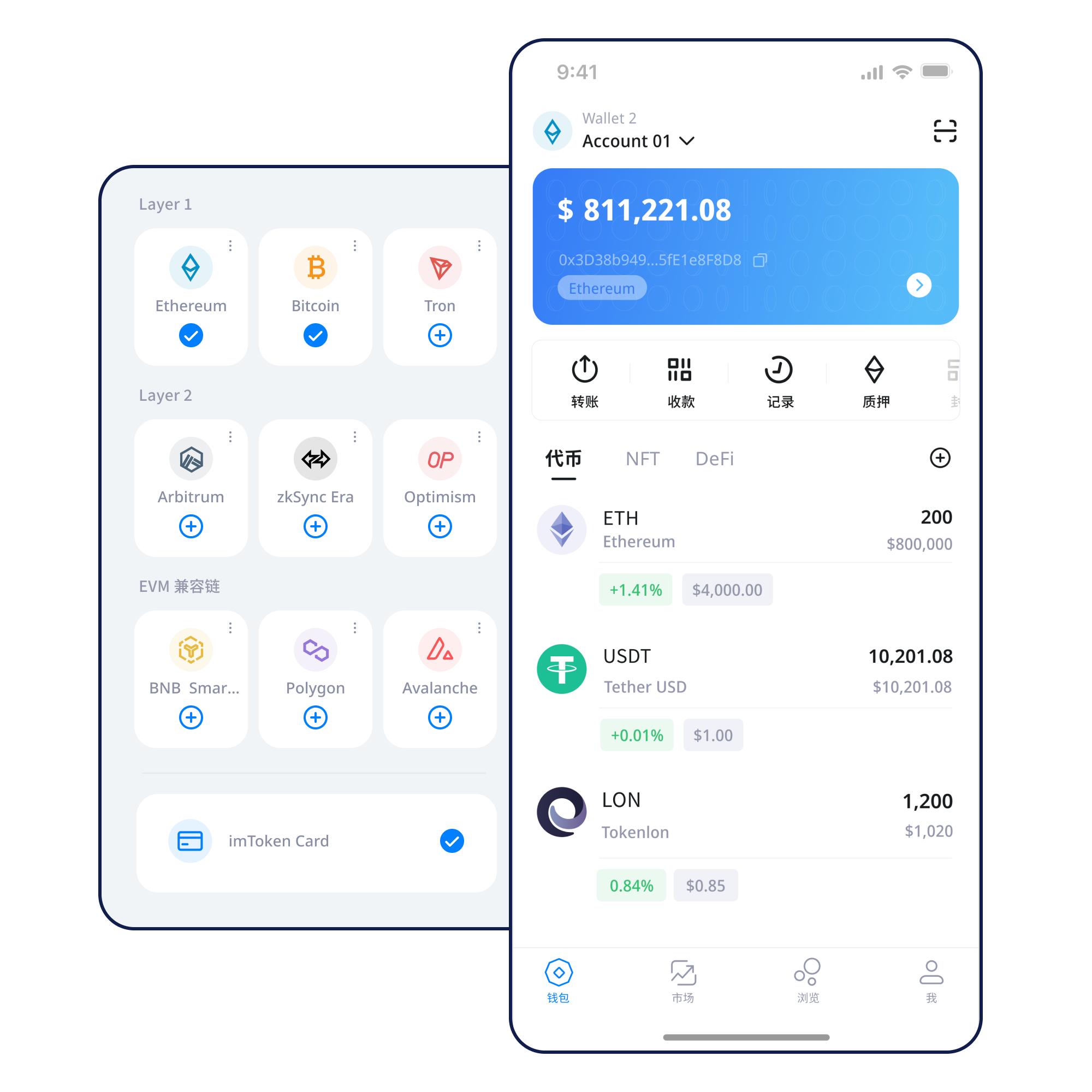
Use the shortest path to the right guidance, then follow the network and security checks before you confirm an on-chain action.
Understand what a wallet creates and complete your first backup before using assets.
Open guide →Keep the seed phrase offline and verify that the backup is complete and readable.
Open guide →Match the receiving address with the intended network before sharing it.
Open guide →Review address, network, amount and gas before signing the transaction.
Open guide →Verify the domain, network and each signature or approval request separately.
Open guide →Understand how assets, networks and addresses relate before moving value between chains.
 Explore multi-chain concepts →
Manage networks, view assets, review transaction history and access DApps from a mobile workflow.
Explore the app →Check recipient, network, amount, gas and transaction hash as one continuous workflow.
Read the transfer guide →Connect through the browser, review requests and disconnect sessions you no longer need.
Learn about Web access →Keep seed phrases and private keys offline where practical, and review every approval independently.
 Open the security center →
Compare how multiple networks separate balances, gas and contract state before moving assets.
Read the full guide →Understand nodes, blocks, consensus and why confirmations matter after a transaction is included.
Read the full guide →
Learn how EVM-compatible networks share execution concepts while keeping separate network state.
Read the full guide →
See how Layer 2 systems relate to mainnet and why bridges and waiting windows matter.
Read the full guide →
Understand gas pricing, transaction status and the difference between a pending, confirmed or failed operation.
Read the full guide →Use the official download entry and review the application source before installation.
Create a new wallet or import one only in a trusted environment.
Store the seed phrase offline and never share the private key.
Confirm the network before you copy an address or submit a transaction.
Review the address, amount and gas; consider a small test transfer for high-value moves.
Use the transaction hash to verify the result and revoke approvals you no longer need.
Web3 & DApp
Connecting a wallet does not mean every later signature should be accepted. Read the request type, permission scope and network each time.
Open the Web3 guide →Security
Wallet security is a process: protect seed phrases and private keys, verify addresses and networks, review signatures, manage approvals and use trusted devices. No wallet can make third-party DApps or smart contracts risk-free, so informed confirmation remains essential.
Open the security center →Featured introduction
Start with addresses, seed phrases, private keys and networks, then learn gas, transaction hashes, DApps and approvals. Each concept becomes easier when connected to a real task rather than memorized as a definition.
Start learning →Understand Ethereum PoS, validator roles, reward sources, network state, withdrawals and exits without treating rewards as fixed or guaranteed.
Read the staking guide →Consider protocol penalties, validator status, contract risk, waiting periods, price volatility and third-party service risk before making a decision.
Learn about validators →Wallet guidance and network-management notes have been reorganized around common user tasks.
Review DApp approvals you no longer use and confirm the contract before revoking.
When moving assets between networks, confirm the source network, destination network and bridge path.
Official staff will never ask for a seed phrase, private key or verification code.
imtoken is a multi-chain wallet and Web3 knowledge center. A wallet helps manage addresses, networks and on-chain interactions while seed phrases and private keys remain under the user’s control.
Both can represent wallet control. A seed phrase can derive multiple accounts, while a private key is specific key material. Neither should be shared with another person.
The same address format can appear on different networks and assets can exist on separate chains. Choosing the wrong network may prevent the transfer from arriving as intended.
Gas is the network-computation fee concept used for transactions and smart-contract execution. Actual fees change with the network and congestion.
A transaction hash is a durable lookup reference that can be used in the relevant block explorer to check status, block height and confirmations.
A connection usually establishes a session, but later signatures, approvals or transactions can affect assets or permissions. Review each request separately.
No. A message signature often proves address control or confirms intent, while a transaction signature authorizes a transaction that can change on-chain state.
Use the official download entry, then continue with the setup and security guides before your first transfer or DApp connection.